Getting Paid in Stablecoins is Becoming a Business Conversation
Morph’s Renna Ba speaks to CoinShares’ The Node about changing business demand and the practical hurdles shaping stablecoin adoption in Southeast Asia.

You don’t need to follow crypto markets to care about an overseas payment arriving on time.
For a freelancer waiting on an invoice or an agency paying contractors, the questions are practical: has the money arrived, can you use it, and what will it cost?
A recent feature in CoinShares’ The Node, written by Tanzeel Akhtar, explores how these everyday needs are shaping Southeast Asia’s stablecoin economy. Among those contributing is Renna Ba, Morph’s Director of Operations, who describes growing interest from treasury teams, payment processors and businesses with no previous crypto experience.
The people you pay matter, too
Offering a new payment method is only useful when the people on either side can work with it.
As Renna tells The Node:
“If suppliers can't receive it and customers won't pay with it, there's no pull to adopt even where the licensing is clear.”
For an agency owner, that could mean starting with a client who already pays in stablecoins. For a freelancer, it could mean checking how an incoming payment would cover their next expense.
Those conversations give adoption a concrete purpose. They also reveal what still needs to become easier.
A region with different payment needs
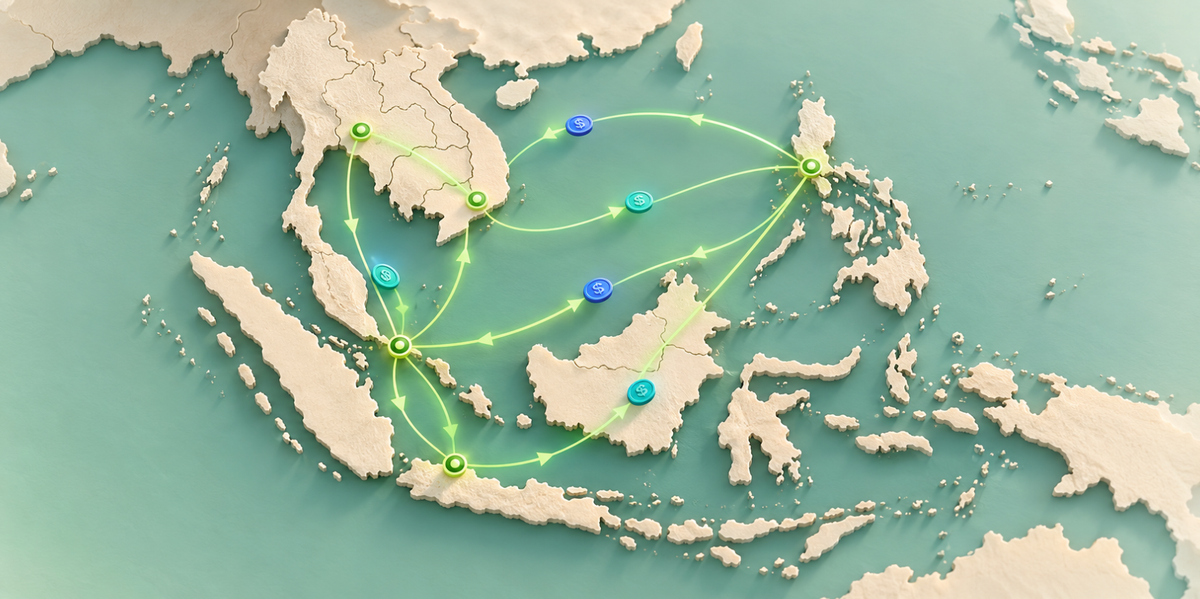
The feature also examines the roles of dollar-backed and local-currency stablecoins. Renna sees room for both, with dollar tokens serving cross-border trade and local alternatives finding uses in domestic payments.
For users, the useful question is how those options connect: from the currency a client pays in to the money a recipient needs for salaries, suppliers or daily expenses.